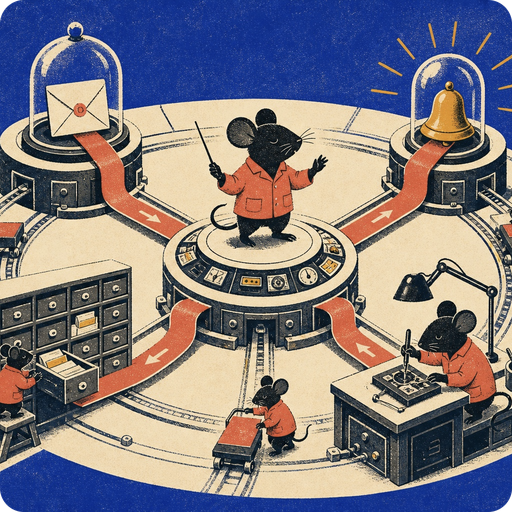
Spacedock is a multi-agent orchestrator that runs inside a coding-agent harness you already use, with Claude Code, Codex, and Pi as its tier-1 targets and other harnesses reached through their skill systems. It splits work into stages and collects the decisions each stage needs, batching them so you handle gates as they surface rather than one session at a time.
Each decision arrives with evidence measured against a predefined bar for what good looks like. You approve it, send it back, escalate it, or delegate the call to an agent, and either way the decision is recorded with its evidence and its reason. Each gate carries a stage report of findings, verdicts, artifacts, and anomalies, so a later trace runs from a bad result back to the call that produced it.
Review is a separate stage that runs with fresh context and no access to the maker's reasoning, which keeps the agent that produced the work from judging it. Stages declare what good means in written criteria, and an agent that finds a standard fuzzy in practice proposes an edit to those criteria for your approval.
/spacedock:survey reads a project's existing agent history and reports three things: the workflow you have been running without naming it, how you have been calling work done, and the decisions still open. /spacedock:debrief records a session's learnings so the next session starts from them. Stages that touch shared state run in their own git worktree while lighter stages run inline, a project sandbox profile makes agents run sandboxed, and a successor agent carries in-flight work forward when one runs out of context.
Features
- Staged work with gates: work is split into stages, each ending in a recorded decision point
- Batched decisions: queued items advance in parallel and their gates surface to you as they arrive
- Evidence against a bar: every decision presents evidence measured against written criteria for the stage
- Separate review stage: review runs with fresh context and no access to the maker's reasoning
- Decision record: gates store findings, verdicts, artifacts, and anomalies alongside the choice and its reason
- Delegation: a decision can be handed to an agent instead of a person, and is recorded the same way
- Criteria that evolve: agents propose edits to a stage's written standard when it proves fuzzy, subject to approval
- Project survey: /spacedock:survey reconstructs the workflow, the definition of done, and the open decisions from agent history
- Session debrief: /spacedock:debrief captures learnings for the next session
- Worktree isolation: stages touching shared state get their own git worktree; lighter stages run inline
- Sandbox profiles: a profile dropped in the project makes Spacedock run the agent sandboxed
- Context handover: a successor agent picks up in-flight work when the current one exhausts its context